

About the Author – From Risk to Reward: Empower Your Security with Powerful Mitigation
Vulnerability mitigation—a term that often makes security professionals uneasy. We all grapple with it, yet we rarely discuss it openly. It feels like a dirty word we’d prefer to avoid for many of us, but we must confront it inevitably. Regardless of your industry, implementing mitigation strategies is essential to reduce the risks posed by vulnerabilities. At its core, mitigation involves making business-justified decisions where organizational needs may outweigh certain security risks.
In this article, I’ll share examples of risks and vulnerabilities, delve into their implications, and illustrate what effective mitigation might look like. While these scenarios aren’t one-size-fits-all solutions, they’re designed to educate and inspire you with new ideas.
Operating Systems: Tackling End-of-Life Challenges and Mitigation Strategies
Operating system end-of-life (EOL) and end-of-support (EOS) events pose significant challenges for organizations. Even though most operating systems provide ample notice before reaching EOL or EOS, several business reasons might prevent timely upgrades. These include:
- Budget constraints: Insufficient funds for new licenses.
- Compatibility issues: Custom software isn’t compatible with newer operating systems.
- Lost source code: Unable to update custom software due to missing source code.
- Resource limitations: Not enough personnel to execute upgrades on schedule.
- Planned decommissioning: The environment is scheduled to be sunset.
When an operating system reaches EOL or EOS, it effectively attains a Common Vulnerability Scoring System (CVSS) score of 10—the highest and most critical vulnerability level. This high severity arises because the lack of vendor support exposes the system to unpatched security flaws. In the security realm, a CVSS score 10 represents a high-risk profile. While there may not be a specific vulnerability, scanning vendors like Tenable will automatically assign this CVSS score because the operating system is unsupported.
So, how can you mitigate this risk? Each situation is unique, and no solution will eliminate the underlying problem. However, you can take steps to reduce the risk.
Long Term Support
One option is to purchase Long-Term Support (LTS) from companies that offer extended support for operating systems beyond their official end-of-life. This service typically covers high and critical security patches. The downside is that low and medium vulnerabilities may remain unaddressed, requiring additional mitigation steps.
Security Software
Enhancing security measures is also crucial:
- Deploy EDR/XDR Solutions: Use Endpoint Detection and Response (EDR) or Extended Detection and Response (XDR) tools to actively monitor and respond to threats.
- Implement HIDS and FIM: Add host-based intrusion detection systems (HIDS) and File Integrity Monitoring (FIM) tools for additional security layers.
- Network Segmentation: Place systems behind a firewall with at least Intrusion Detection System (IDS) capabilities. Ideally, isolate these systems in a restricted subnet with limited or no communication with patched systems.
These steps are essential in safeguarding unsupported operating systems, regardless of internet exposure. While mitigation can be resource-intensive, upgrading systems can be complex due to compatibility issues, downtime, and testing requirements. Although these strategies can reduce risk, they do not replace the need for a long-term solution. Proactively planning for operating system upgrades remains the most effective way to maintain security and operational efficiency.
Hardware: Managing End-of-Life Equipment and Mitigating Vulnerabilities
Server hardware represents a significant investment for any organization, with mission-critical servers often costing at least $20,000 per unit. Due to this substantial cost, organizations frequently choose to mitigate vulnerabilities rather than replace the hardware outright. When hardware reaches its end-of-life (EOL) and is out of warranty, you don’t necessarily need to replace it immediately, especially if it’s still functioning effectively. Moreover, EOL doesn’t always mean the product is entirely unsupported.
However, a server’s most vulnerable component is typically its remote management board. Depending on the brand, this component may be called Integrated Lights-Out Manager (ILOM), Integrated Lights-Out (ILO), Dell Remote Access Controller (DRAC), Intelligent Platform Management Interface (IPMI), or Integrated Management Module (IMM), among other names. The primary reason these vulnerabilities are often mitigated rather than resolved is cost. Hardware vendors usually support updates well after the end of the sale (EoS) of the hardware and will support these for many years after the warranty ends.
Out of Band Management
Mitigating risks associated with EOL hardware often requires an infrastructure redesign. Ideally, applications shouldn’t directly interface with these management interfaces. The key concept here is out-of-band (OOB) management, which should be accessed only internally. However, in many cases, your data center may be remote and inaccessible. Implementing OOB management involves setting up a separate network dedicated to management interfaces, which is isolated from your primary network.
To achieve this, you need to:
- Set Up a Dedicated Management Network: Create a separate network segment for management interfaces inaccessible from the primary production network. This isolation helps prevent vulnerabilities in the management interfaces from affecting your primary environment.
- Use Secure Remote Access Methods: If remote access is necessary due to the data center’s location, establish a VPN endpoint using a firewall or VPN appliance. Secure this VPN with robust authentication methods, such as multi-factor authentication (MFA), and credentials separate from your primary domain accounts. Restrict access to specific administrative users.
- Implement a Bastion Host (Jump Server): Set up a jump host within the management network. This host should have restricted access, be closely monitored, and be regularly patched and updated to ensure security. It should require MFA for access and limit functionalities like file transfers and clipboard sharing to prevent data leakage.
- Avoid Exposing OOB Interfaces to the Internet: Do not expose the OOB management interfaces directly to the Internet whenever possible. If internet access is required for remote control, configure your firewall to accept VPN connections only from specific IP addresses or use client certificates for authentication.
Following these steps creates a secure pathway to manage your servers without exposing them to unnecessary risks. However, remember that these mitigation strategies do not eliminate the underlying vulnerabilities; they merely reduce the associated risks. The vulnerabilities and the risks remain. To ensure your systems’ long-term security and integrity, it’s essential to continue monitoring and planning for a permanent solution, such as eventual hardware replacement.
Software: Navigating Vulnerabilities in Complex Dependency Chains
Vulnerabilities inevitably arise in software development. Approximately 90% of code comes from third-party sources, leaving only about 10% uniquely crafted in-house. This heavy reliance on external code creates intricate dependency chains extending dozens of levels deep. Even the most sophisticated software composition analysis tools I’ve used have limitations; due to performance reasons, they can only analyze so deep into these dependencies, leaving many potential vulnerabilities unchecked.
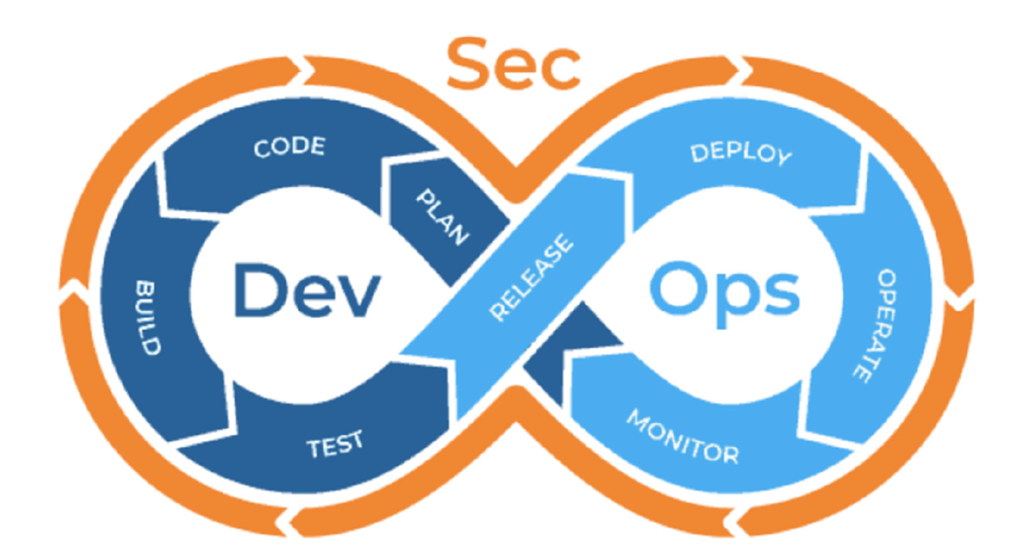
Ideally, we would combat these issues by adopting a Shift Left Security approach—integrating security measures early in development. However, when immediate mitigation is necessary, certain strategies can help safeguard your software without a complete overhaul.
WAF
First and foremost, deploying a Web Application Firewall (WAF) is essential. Regardless of how clean your codebase may seem, a WAF is a crucial barrier between your web applications and potential internet threats. It filters out malicious traffic and blocks attacks like SQL injection and cross-site scripting (XSS), providing an additional layer of defense against unforeseen vulnerabilities.
Architecture
Another vital step is to reevaluate your application architecture. Traditionally, many companies developed monolithic applications where all the code resides in a single, unified block. Over time, these proved difficult to maintain and secure due to their size and complexity. Shifting to a three-tier architecture—dividing the application into presentation, logic, and data layers—significantly improved security measures at each level. Today, moving towards a microservices architecture breaks applications into smaller, independent services, offering more granular control over security and easier maintenance. While a deep dive into microservices is beyond this article’s scope, it’s a topic worth exploring for modern application development.
Encryption
Protecting your custom software doesn’t stop at architecture. Even if you’re actively developing and updating your applications, robust security practices are non-negotiable. Ensuring that data is encrypted both in transit and at rest is fundamental. Use strong encryption protocols like TLS for data moving across networks, and encrypt your databases and storage solutions to protect data at rest.
It’s crucial to avoid insecure ciphers. Outdated algorithms like MD5 or SHA-1 are vulnerable and should be replaced with advanced ciphers such as AES-256-GCM. If you utilize Cipher Block Chaining (CBC) modes like AES-256-CBC for data at rest, implement a unique initialization vector (IV) for each encryption operation to prevent pattern analysis attacks.
Authentication
Implementing a robust Authentication, Authorization, and Accounting (AAA) system is essential for controlling access and monitoring activity within your applications. Effective authentication verifies user identities, authorization ensures users have appropriate permissions, and accounting logs user activities for auditing and compliance purposes.
Secure Coding Practices
Regular peer reviews of your code can catch vulnerabilities early and improve overall code quality. Performing Static Application Security Testing (SAST) helps identify security flaws within your source code, while Software Composition Analysis (SCA) reveals vulnerabilities in third-party components and dependencies. Keeping your programming languages and frameworks up to date is another critical practice, as updates often include important security patches and improvements.
Lastly, while it may seem repetitive, the importance of deploying a WAF cannot be overstated. It’s a frontline defense mechanism that guards against many web-based attacks, making it an indispensable part of your security arsenal.
By integrating these mitigation strategies, you can significantly reduce the risks associated with software vulnerabilities. While no system can ever be entirely foolproof, proactive measures and adherence to best practices will go a long way in safeguarding your applications.
Conclusion
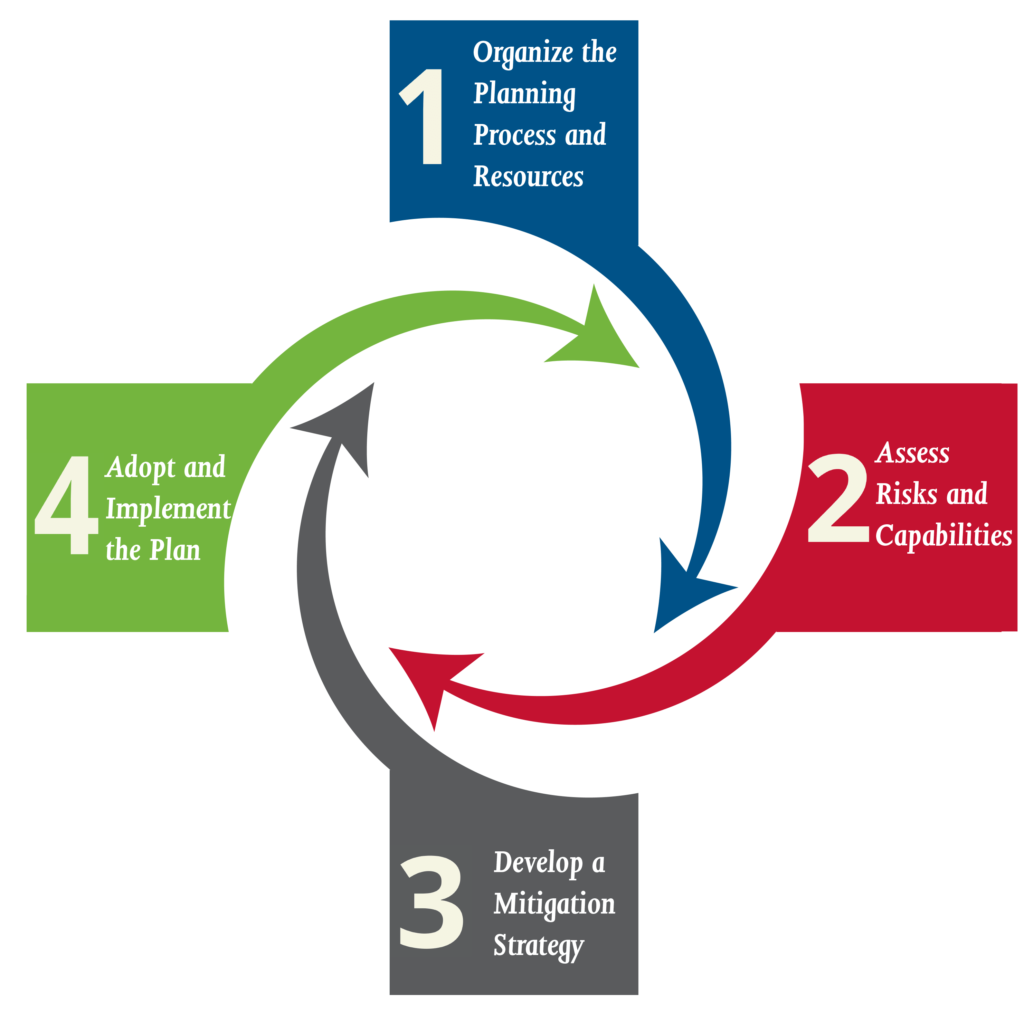
Vulnerabilities are an inevitable part of our work, but they don’t have to be crippling. Whether we’re dealing with outdated operating systems, end-of-life hardware, or complex software dependencies, there are practical strategies to manage these risks. By implementing powerful mitigation techniques—like long-term support for unsupported systems, secure out-of-band management for legacy hardware, deploying web application firewalls, and adhering to robust security practices—we can protect our systems even when ideal solutions aren’t immediately feasible.
Mitigation isn’t just a stopgap; it’s a proactive approach that helps us maintain security and operational efficiency. It requires effort and planning, but it empowers us to reduce risk effectively when upgrades or replacements aren’t an option. While these measures don’t eliminate vulnerabilities, they allow us to manage them until we can implement long-term solutions.
By embracing mitigation as a key part of our security strategy, we turn challenges into opportunities to strengthen our defenses. Let’s continue to apply these practical techniques to keep our organizations secure and prepared for whatever comes next.
Pingback: VPNs, TOR, and iCloud Private Relay Explained
Pingback: Secure View of SIEMs to Thwart Implementation Failure
Pingback: Stay Ahead of Cyber Threats: Why Zero Trust Matters Now More Than Ever