
About the author – Unveil the Secrets of Online Privacy: VPNs, TOR, and iCloud Private Relay Explained.
As a security professional, using a VPN has become second nature. Connecting to a private network is a routine part of my day, ensuring my activities remain safe and secure. However, I’ve realized that this practice, while common for those of us in the tech and security fields, is far from normal for many people.
When speaking with individuals from countries like Iran, China, and Russia, it becomes clear that VPNs are more than just tools for privacy—they can be lifelines, allowing access to information that would otherwise be censored or restricted. This got me thinking: Should we all be using VPNs? Are there times when they’re unnecessary or even counterproductive? What are VPN usage’s real pros and cons in our everyday lives? In this blog, I will explore these questions, diving deep into whether VPNs are necessary or just another tech tool.
What is a VPN
A Virtual Private Network, or VPN, is a technology that allows users to establish a secure and private connection over a public network, most commonly the Internet. The origins of VPNs trace back to the 1960s when ARPANET was created, a precursor to the modern internet. However, the technology that we recognize today began to emerge in the 1990s with the development of key networking protocols, some of which are still widely used.
For those familiar with networking, these protocols include IPSec (Internet Protocol Security), PPTP (Point-to-Point Tunneling Protocol), and L2TP (Layer 2 Tunneling Protocol). Each of these plays a crucial role in ensuring secure communication over a network. IPSec is known for its robust encryption and secure key exchange, making it a popular choice for corporate VPNs. While less secure, PPTP was one of the first widely adopted VPN protocols due to its simplicity and speed. L2TP, often paired with IPSec, balances security and performance, making it suitable for various applications.
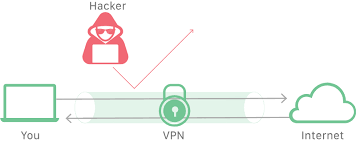
The core idea behind a VPN is to create an encrypted “tunnel” between two systems, such as a user’s device and a remote server, that span across a public network like the internet. This encrypted link ensures that any data passing through is hidden from potential attackers, protecting the user’s privacy and preventing unauthorized access to sensitive information. Whether for individuals or businesses, VPNs provide an essential layer of security, allowing users to browse the web safely, access remote resources, and bypass regional restrictions on content.
VPN vs TOR
In the previous section, I touched on the main reasons people use VPNs: privacy, bypassing censorship, and accessing sensitive information. But this raises the question: Is a VPN always the best choice, or could the Tor network provide better privacy and anonymity? VPNs and Tor offer ways to enhance privacy and bypass censorship, but they function differently.
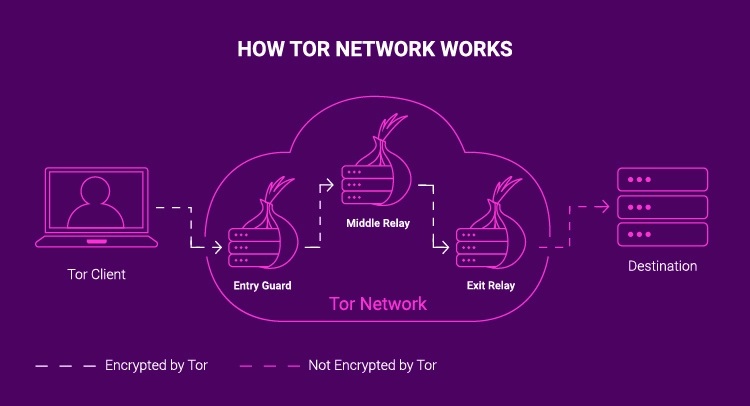
Before comparing, let’s first clarify what the Tor network is. Tor, short for “The Onion Router,” is a decentralized and anonymous communication system designed to safeguard your privacy online. It works by routing your internet traffic through several volunteer-operated servers, called nodes, which makes it difficult for anyone to trace your activity. Each node in the network peels away a layer of encryption—hence the name “onion routing”—and no single node knows where your traffic came from and where it’s going. This creates a powerful layer of anonymity.
At first glance, Tor seems ideal for anyone who wants to hide their information. However, while Tor offers impressive privacy, it comes with significant downsides. One of the biggest drawbacks is performance—Tor is notoriously slow compared to VPNs. The multiple layers of encryption and the fact that your data travels through several nodes mean that Tor is far from ideal for streaming, downloading, or any other activity that requires high-speed internet.
Another limitation is that Tor doesn’t provide a new IP address. While it hides your browsing activities, your local IP address is still exposed when you first connect to the Tor network. To fix this, many users combine Tor with a VPN, which can obscure your IP address before connecting to Tor, adding another layer of privacy.
Finally, not all Tor exit nodes encrypt your data, which could be exposed in plain text when traffic leaves the network. In contrast, a VPN provides full end-to-end encryption. Your local IP is hidden, and your data remains secure, preventing traceable live traffic. While VPNs may face scrutiny from law enforcement, many reputable VPN providers avoid logging any data, ensuring that even if authorities knock, there is no record of your activities.
Why should I spend money on a VPN service?
You’ve probably heard the saying, “You get what you pay for.” This is especially true when it comes to VPN services. While free VPNs may seem tempting, paid services offer significant advantages in three key areas: performance, privacy, and freedom.
First and foremost is performance. Running a VPN that offers high-speed connections costs companies a lot of money. They must invest in robust infrastructure, including servers in multiple locations worldwide. The more capacity they have, the faster the service will be. Paid VPN services allocate resources to ensure speed and reliability, meaning users can stream, download, and browse without frustrating slowdowns. Free services, on the other hand, often struggle with limited bandwidth and overloaded servers.
The second factor is privacy. Paid VPN providers understand that maintaining user privacy requires serious investment. With the increasing number of people who misuse VPNs for illegal purposes, companies must be prepared to respond to law enforcement requests. This means employing lawyers and cybersecurity experts and maintaining strict no-logging policies to protect honest users like you. These operational costs are necessary to ensure your information remains private and secure.
Lastly, there’s the matter of freedom. One of the main reasons people use VPNs is to bypass censorship or geo-restrictions, whether accessing content on Netflix from another country or getting around government-imposed restrictions. With the exhaustion of IPv4 addresses, having a large pool of available IP addresses is costly. Many free or low-cost VPNs will have a limited number of IPs, which popular websites may already block. Paid services ensure access to a broader range of unblocked IP addresses, allowing you to appear as though you’re in virtually any country.
In short, while free VPNs might sometimes work, they rarely offer the performance, privacy, and freedom paid services do. Investing in a reputable VPN provider ensures a fast, secure, and unrestricted online experience.
VPN Providers
While there are many vendors to choose from, here are a few that I would recommend.
Apple iCloud Private Relay vs VPN
If you have an Apple device, you may have encountered a feature called iCloud Private Relay. While Apple promotes Private Relay with terms similar to a VPN—promising privacy and secure browsing—it’s important to understand their differences.
Private Relay only encrypts DNS requests and web traffic when using the Safari browser. This means that while your IP address is hidden and outbound requests are obfuscated, the feature has a very limited scope. It protects your Safari web browsing from prying eyes, but that’s where its protection ends. Any other internet activity, such as traffic from apps or other browsers, remains unencrypted and exposed.
By contrast, a VPN encrypts all of your internet traffic, regardless of the browser or app you’re using. A VPN ensures your online activity stays private and secure across your entire device, not just in specific cases like Safari browsing. If privacy is your primary concern, significantly beyond web browsing, a full VPN service offers much broader protection.
Conclusion
Understanding the tools available to protect your online privacy is essential. VPNs, Tor, and Apple’s iCloud Private Relay each offer unique methods of protecting your data and preserving your anonymity. While VPNs provide a comprehensive solution for privacy, speed, and access, Tor is a powerful option for those prioritizing anonymity, albeit with performance trade-offs. Apple’s Private Relay is a convenient feature for light users, but it doesn’t match the all-encompassing protection of a full VPN.
Ultimately, the best tool depends on your needs, bypassing censorship, securing sensitive information, or simply safeguarding your online activity. Investing in a reliable VPN service is one of the most versatile and effective ways to ensure digital privacy. As the online landscape evolves, staying informed and proactive about your security is the key to navigating the internet safely and confidently.