

About the Author – Stay Ahead of Cyber Threats: Why Zero Trust Matters Now More Than Ever
A decade ago, the answer to designing a secure environment against cyber threats was “defense in depth.” The idea was simple but powerful: layer defenses like an onion, making each layer an additional hurdle for attackers. But as cyber threats evolved, so did our understanding of security. We began to see that even small gaps in those layers were vulnerabilities waiting to be exploited. Like water finding its way through cracks, attackers could exploit minor weaknesses.
For the past eight years, I’ve worked with Zero Trust, a security model that doesn’t rely on trust by default. Unlike traditional security models that assume internal users and systems are safe, Zero Trust treats every interaction as potentially hostile. This approach feels radical, yet it’s incredibly empowering. By verifying every step, Zero Trust puts control back in the hands of those protecting sensitive data and systems. This article explores what Zero Trust is, why it’s essential, and how it’s reshaping cybersecurity.
Core Principles of Zero Trust
To embrace Zero Trust, remember this mantra: “Never trust, always verify.” This phrase guides every decision and interaction, treating everything untrustworthy until proven safe.
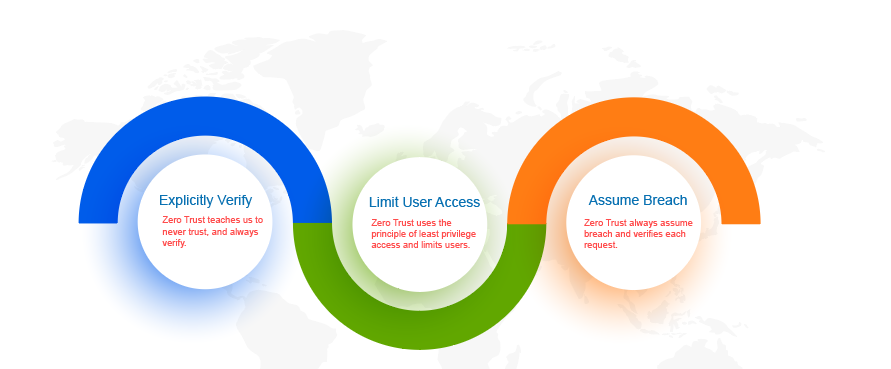
Verify Explicitly
Every user, application, and device must authenticate based on multiple data points. Identity, location, device health, workload, data classification, and anomalies all strengthen the verification process. Unlike the traditional “trust but verify” model, Zero Trust views every entity as a potential threat, ensuring thorough validation.
Use Least-Privilege Access
Only grant access to what’s necessary. Implement methods like just-in-time (JIT) and just-enough access (JEA). Use adaptive policies to balance security and productivity without sacrificing access control.
Assume Breach
Act as though a breach is always possible. Segment access, minimize damage potential, ensure end-to-end encryption, and use analytics to detect and respond to threats. By assuming breaches are inevitable, Zero Trust strengthens detection and defenses.
Breaches occur daily, and these principles are crucial. Even minor vulnerabilities can cause trouble, so Zero Trust eliminates risk by questioning and verifying every interaction.
The Shift from Perimeter-Based Security to Identity-Centric Security
Perimeter-based security has advanced, adding tools like Web Application Firewalls (WAFs) and advanced firewalls to bolster defenses. However, relying solely on perimeter defenses has limits, as shown by the continued rise in data breaches.
Traditional Security Challenges
Traditional models rely on securing network boundaries. When a system, like a web server, requires external access, it opens ports, typically 80 (HTTP) and 443 (HTTPS), on the firewall. This traffic flows to web servers or load balancers in the DMZ, where inspection often relies on a WAF. Until now, there has been no verification to ensure the user has access rights, leaving the network vulnerable.
Identity Verification: The Core of Zero Trust
Zero Trust shifts the focus from securing network perimeters to verifying identity and access. Cloudflare Access acts as a secure gateway, replacing VPNs by verifying user identity, device health, and context before granting access. This model authenticates users before reaching your network, creating a stronger security perimeter around identity, not IP addresses.
After a Zero Trust gateway authenticates users, additional authorization at the application level determines their access to specific features and data. NIST recommends using secure tokens like JWTs (JSON Web Tokens) for session management. However, JWTs lack an inherent revocation mechanism, meaning they remain valid until expiration. Many organizations use custom revocation systems with tools like Redis to address this, ensuring real-time access control.
Zero Trust reduces dependence on vulnerable network boundaries by adopting identity-based security practices. Each resource gets direct, context-based access controls, enhancing security.
Implementing Micro-Segmentation and Access Control
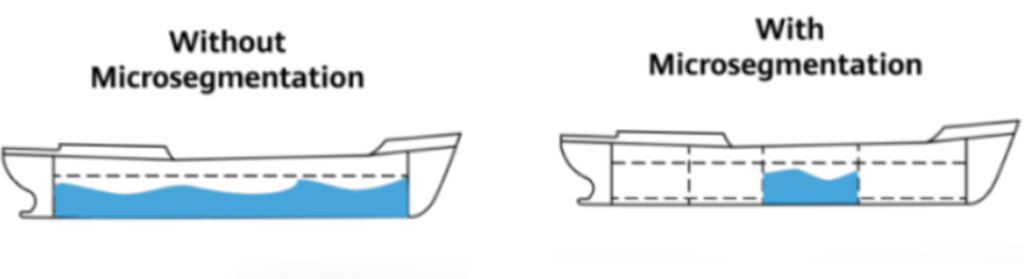
Zero Trust extends beyond identity verification. It limits network access by creating secure, isolated segments—a practice called micro-segmentation. Rather than treating the internal network as a trusted zone, micro-segmentation divides it into smaller, controlled segments. Each segment acts like a secure mini-environment, giving tighter control over who can access specific resources.
Enhancing Network Security with Micro-Segmentation
In traditional networks, once attackers breach the perimeter, they often have broad access, allowing them to move laterally. Micro-segmentation restricts this lateral movement by enforcing policies that limit access to only essential segments. For example, finance employees might access payroll systems but remain isolated from engineering databases.
Micro-segmentation closely monitors traffic within each zone, allowing quick detection of unusual activity. Each segment can have unique security rules, enforcing stricter access controls where needed. Sensitive areas like customer data storage can have higher security levels than general-use segments.
By implementing micro-segmentation, organizations reduce the “blast radius” of potential breaches. If attackers gain access to one segment, controls in other segments prevent them from moving freely across the network. This identity-centric approach minimizes damage and maintains continuous access verification.
Continuous Monitoring and Analytics
Continuous monitoring sits at the heart of effective security frameworks, and in Zero Trust, it’s non-negotiable. Real-time monitoring provides insight into network activity, enabling quick threat detection. Centralized logging consolidates logs across the organization, offering a single source of truth for security data. In Zero Trust, logging infrastructure must be segmented and access tightly controlled to prevent tampering or unauthorized deletion.
Detecting Long-Term Threats with SIEM Systems
Zero Trust treats every interaction as potentially hostile, logging and monitoring each event in real time. This approach helps detect anomalies and potential threats early. Long-term threats, often called Advanced Persistent Threats (APTs), can remain undetected for months or years. SIEM (Security Information and Event Management) systems are invaluable here.
SIEM systems aggregate and analyze logs across an organization’s infrastructure, using analytics to correlate events that indicate a slow-moving attack. By scrutinizing logs, SIEMs can uncover hidden threats, identify trends, and alert security teams to unusual activity. This proactive approach aligns with Zero Trust’s “assume breach” principle, empowering organizations to detect, respond to, and contain threats before they escalate.
Challenges and Best Practices for Adopting Zero Trust
Overcoming Legacy System Limitations
Assessing legacy systems is the first step in adopting Zero Trust. These systems, which are not designed for Zero Trust, can be the weakest link. Third-party tools can add modern security layers to older systems, helping them interact safely within a Zero Trust framework. Implement Zero Trust in phases instead of an overhaul. Defense-in-depth strategies still play a role as Zero Trust architecture takes shape.
Managing Cultural Shifts and Employee Engagement
Adopting Zero Trust requires a cultural shift among employees and customers. By default, Zero Trust treats everyone as untrusted, which adds friction. This change can disrupt workflows and affect application performance. To ease the transition, prioritize employee education and prepare customers by offering test environments where they can adapt.
Phased Rollouts and Resource Allocation
Zero Trust demands resources—training, staffing, and financial investment. Divide the rollout into manageable phases. Start with initiatives that won’t disrupt essential workflows. For example, many legacy applications still connect to databases without authentication. Begin by securing these connections with database authentication over TLS, then assign unique credentials for each server accessing the database.
Strategies for Zero Trust Implementation: Inside-Out or Outside-In?
Choosing where to begin depends on your organization’s resources and needs. Some companies start from the inside, focusing on core applications and databases. Others begin outside, securing user access points first. Companies sometimes run legacy and Zero Trust systems in parallel before a complete cutover. This method, though costly, can provide a seamless transition if resources allow.
Conclusion
Zero Trust is more than just a security model. It’s a mindset shift that requires us to rethink the very foundation of cybersecurity. The traditional perimeter-based security approach isn’t enough for evolving threats. Zero Trust challenges us to question every interaction, verify every user, and treat every network segment as a potential vulnerability.
By adopting core Zero Trust principles, such as verifying identity, enforcing least-privilege access, implementing micro-segmentation, and maintaining continuous monitoring, organizations can build a security framework that’s resilient, adaptable, and ready for the complexities of modern threats. These principles not only enhance security but also ensure that trust is earned rather than assumed.
However, implementing Zero Trust isn’t a quick fix. It requires careful planning, cultural change, and a willingness to tackle challenges like legacy systems and phased rollouts. With the right strategy, organizations can transition to Zero Trust in a way that empowers employees, secures sensitive data, and builds a robust defense against breaches.
By embracing Zero Trust, we move beyond fortifying a boundary. Instead, we create a dynamic, identity-centered environment where security is woven into every interaction. This powerful approach keeps us safe and ensures trust is consistently earned, never given.