

About The Author – Fearless Insights: A Reliable and Secure View of SIEM’s to Thwart Implementation Failure in Today’s Better World
This morning, I started thinking about SIEMs. They’re a standard tool in the cybersecurity world, used by many organizations—but not all. As I considered why some companies implement SIEMs while others don’t, a few key factors came to mind: time, cost, resources, and a reliable, secure infrastructure. I also thought about companies that have tried and failed to set up a SIEM. I decided to write this blog—to help you understand whether an SIEM is the right tool to create a more secure future for your organization.
Let’s start with the basics. What is a SIEM? SIEM stands for Security Information and Event Management. It’s a system that analyzes security alerts from applications and network hardware in real-time. SIEMs play a central role in Security Operations Centers (SOCs), helping teams detect, investigate, and respond to security incidents. By gathering data from different systems, SIEMs help organizations meet compliance requirements and protect against threats.
Failure to Deploy
Before implementing an SIEM, it is crucial to set up a centralized logging system. This system should collect logs from all essential sources: servers, workstations, applications, network devices, and key third-party SaaS providers. Comprehensive log collection ensures secure data aggregation and minimizes blind spots that could weaken your SIEM’s effectiveness.
With a centralized logging foundation, you can efficiently conduct Proof of Concept (POC) trials using actual data. This approach facilitates a smoother SIEM integration, as most vendors offer two-week trial periods. Utilizing this time to connect your resources, rather than setting up logging, allows for a more effective evaluation of the SIEM’s capabilities.
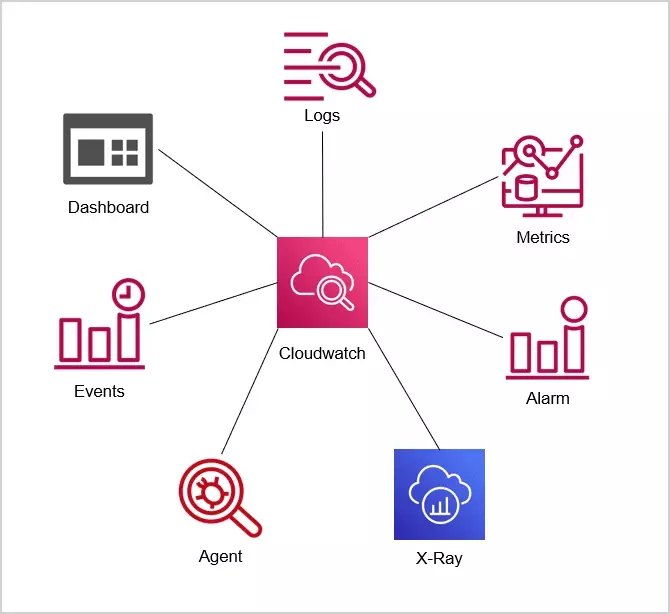
Several excellent options exist for centralizing your logging. Services like AWS CloudWatch, Google Cloud’s Operations Suite, and Azure Monitor work exceptionally well in the cloud. You can explore tools like Grafana Loki, Splunk, Elastic, Datadog, Loggly, and more if you operate a physical data center.
Your logging system can also impact which SIEM product is best for your organization. Some logging solutions have built-in SIEM capabilities, while others offer them as add-ons.
Not Knowing Your Expectations
A SIEM may not be the holy grail of cybersecurity, but it’s a reliable tool crucial in creating a more secure, responsive environment. While powerful, SIEMs are designed for reactive security. Their main job is to alert you when something has happened, allowing you to investigate thoroughly. You’ll have all the data needed to uncover the “who, what, where, when, and why” of an event. This is essential for improving your security posture and preventing similar incidents in the future.
Remember that a SIEM doesn’t provide proactive measures like blocking or stopping threats. It can be integrated into a workflow to automate actions—like stopping a recurring threat—but that’s not built-in. These responses only happen after the initial event has already occurred.
Another key expectation is that an SIEM won’t detect every threat the moment it’s turned on. Learning your system’s patterns and matching them with known threats takes time. Dedicated staff are needed to manage the SIEM during setup and beyond. It’s a major project that requires time, effort, and resources.
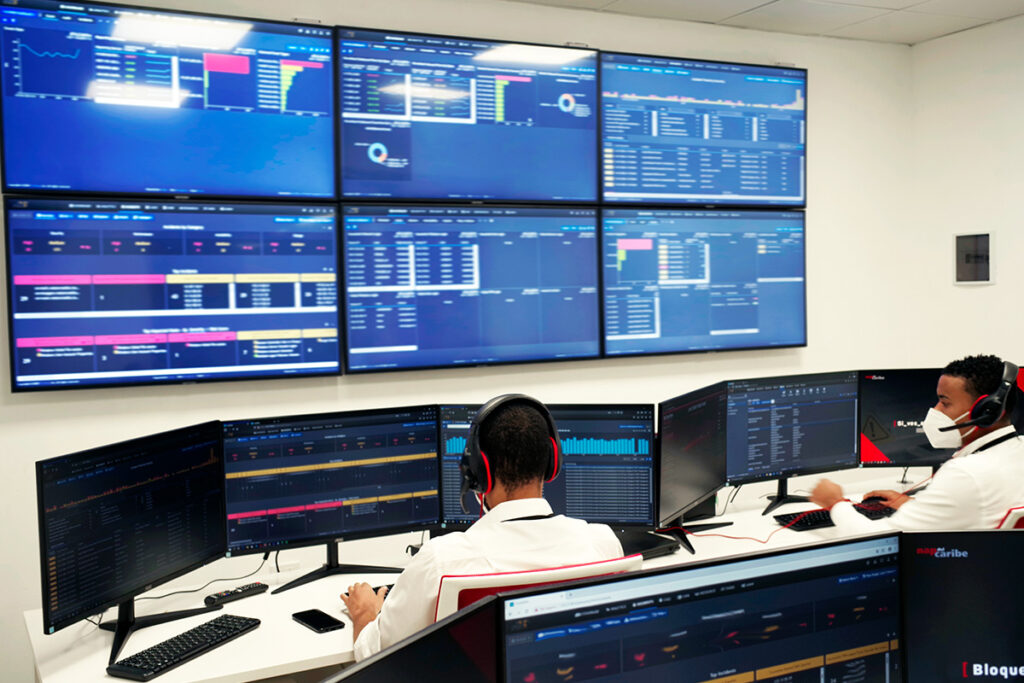
Lastly, don’t assume a SIEM will run on autopilot once set up. It’s a central part of a Security Operations Center (SOC) because it needs constant monitoring, management, and maintenance. Before deploying an SIEM, ensure you have at least two security analysts available to handle its daily operations.
A SIEM is a compliance Checkbox.
If you view a SIEM as just a compliance checkbox, it’s unlikely to work for you. While SIEMs can help meet regulatory requirements—like PCI-DSS, HIPAA, and GDPR—using them solely for compliance means missing out on the real benefits. When managed properly, a SIEM enhances your security posture and creates a well-structured defense.
If compliance is your only motivation, you may struggle to get the most out of your SIEM. It needs continuous attention—adjusting rules, reducing false positives, and tracking new threats. Without dedicated management, a SIEM can produce more noise than actionable insights.
Outsourcing to a managed service provider (MSP) could be the solution for companies without the resources to manage an SIEM in-house. Many small and medium-sized enterprises rely on third-party experts to handle SIEM deployments. These providers monitor your security, respond to alerts, and ensure compliance while freeing your internal resources. Managed Security Service Providers (MSSPs) have experienced teams to keep your SIEM running smoothly and optimally configured.
Remember, a SIEM isn’t a “set it and forget it” tool. It requires skilled professionals to analyze data, refine detection methods, and align it with your security needs. Whether you manage it in-house or through a trusted partner, the goal is to leverage the full power of your SIEM for ongoing monitoring, security improvements, and incident response—not just for compliance.
SIEM’s Cost Too Much
SIEMs come with a significant price tag, but there are ways to reduce costs if you’re on a tight budget. For example, you can explore open-source SIEM solutions like Wazuh, which provides many of the same capabilities as paid products. However, it’s important to remember that whether you’re using a free or paid SIEM, the real cost comes in time and resources required for setup and ongoing management.
Setting up a SIEM isn’t a plug-and-play process. It requires significant time, especially when configuring centralized logging and fine-tuning it to your environment. Many organizations assume that using a free SIEM will save money, only to discover the time investment for proper implementation can be quite costly.
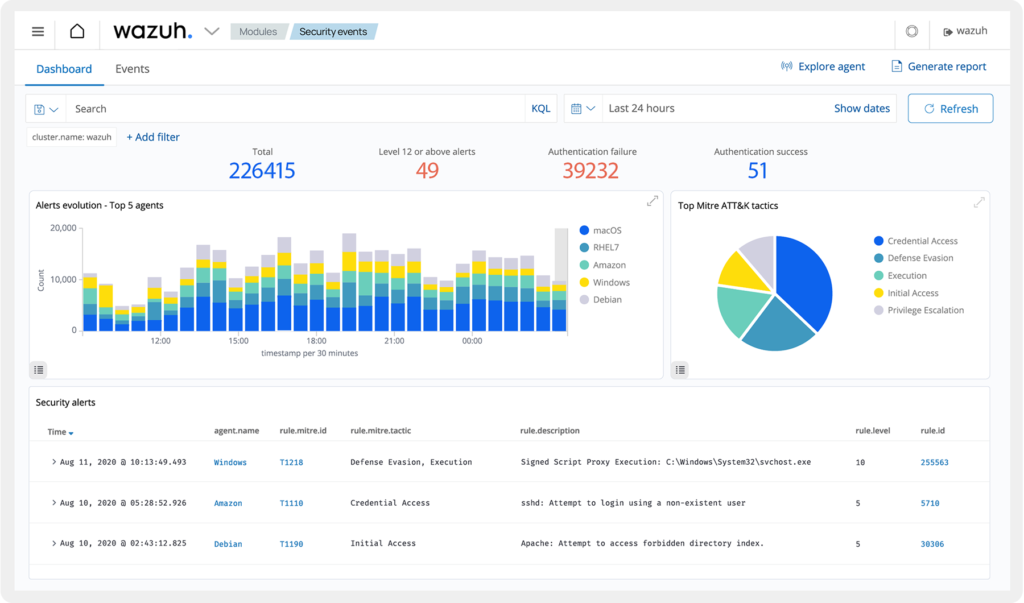
Most SIEMs, even free ones, rely on agents installed across your systems to collect more detailed data. These agents need regular updates to stay effective. Operating system updates can also interfere with them, requiring reactivation or reinstallation. Without ongoing maintenance, your SIEM’s effectiveness will decline, leading to missed alerts and compromised security.
While a free SIEM might initially seem appealing, the hidden costs add up. Maintaining agents, updating rules, and monitoring your security are all crucial for reliable, long-term protection. If you can’t commit the necessary resources, paying for a fully managed SIEM—or choosing a more user-friendly solution—could be a smarter, more cost-effective option in the long run.
Conclusion
Implementing an SIEM can transform your organization’s security, but it’s a decision that requires careful thought. A SIEM’s power lies in providing visibility into your security environment, helping you detect, investigate, and respond to incidents more effectively. However, having the right expectations and resources is essential before diving in.
A SIEM isn’t a quick fix or just a compliance tool. It’s a key part of your overall security strategy. Without centralized logging, dedicated staff, and clear goals, the system might not deliver the expected results. Proper planning, ongoing management, and a focus on continuous security improvement are crucial for getting the most out of your SIEM investment.
Whether you choose a commercial SIEM, a managed service provider, or an open-source option like Wazuh, remember that the actual cost of a SIEM goes beyond the initial setup. It’s an ongoing commitment requiring time, expertise, and resources. But with the right approach, an SIEM can be a powerful tool that helps you meet compliance and strengthens your overall security posture, paving the way for a more secure future.
Pingback: Stay Ahead of Cyber Threats: Why Zero Trust Matters Now More Than Ever