
About the Author – Empower Your Security: Dark Web Monitoring for Maximum Protection
The dark web has long been a hidden playground for cybercriminals, posing severe threats to businesses of all sizes. As organizations expand their digital presence, the need for vigilant security measures has never been more critical. Dark web monitoring stands out as a powerful tool in this fight, offering a proactive way to safeguard your most valuable assets. But what does dark web monitoring entail, and how can it fortify your organization’s security? Let’s explore how this essential practice can empower your cybersecurity strategy and provide maximum protection against unseen dangers.
What is Dark Web Monitoring?
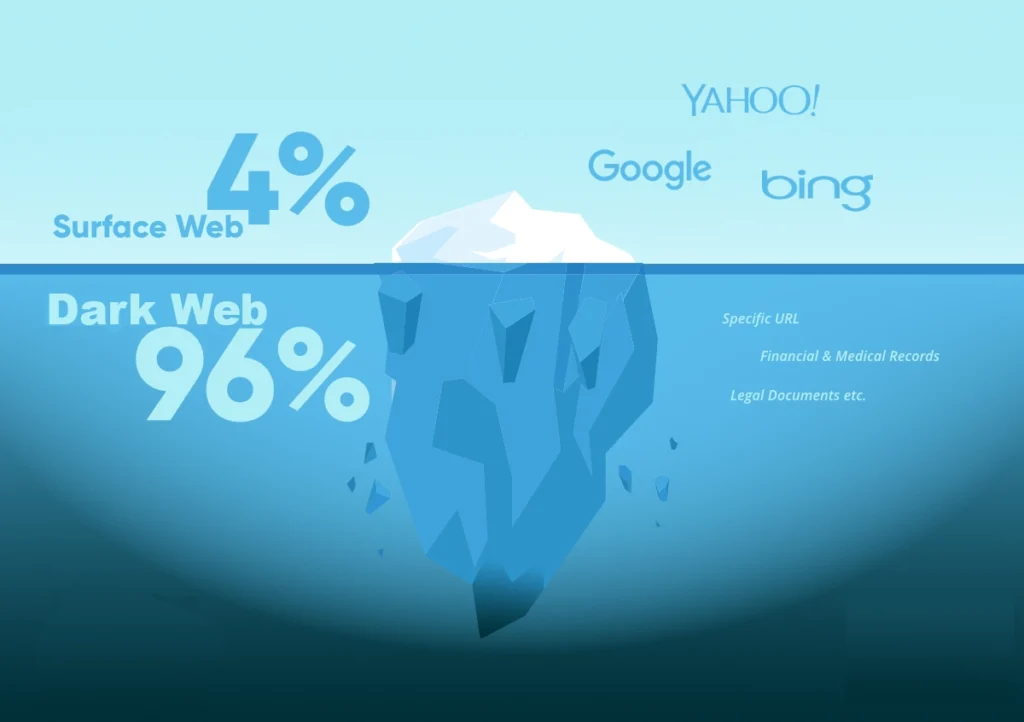
Dark web monitoring involves searching for and tracking your organization’s information on the dark web—a part of the internet not indexed by traditional search engines like Google. Think of dark web monitoring tools as specialized search engines designed specifically to navigate the dark web. These tools help you identify and monitor compromised data such as stolen passwords, breached credentials, intellectual property, and other sensitive information that might be circulating among malicious actors.
While tools like identity theft monitoring and antimalware programs focus on protecting individuals or preventing malicious code, dark web monitoring offers a broader, more proactive approach. It’s designed to help businesses and individuals by searching for confidential information on the dark web, including login credentials, trade secrets, and proprietary data.
How Does Dark Web Monitoring Work?
Dark web monitoring continuously scans the dark web, gathering raw intelligence in near real-time. It monitors millions of sites for specific or general information about your organization, such as corporate email addresses or company names. When a potential threat is identified, you can set up customized alerts to notify relevant team members across various departments, such as marketing, legal, human resources, or fraud prevention. This ensures your organization can respond quickly and effectively to emerging threats.
Key Features of Dark Web Monitoring
Dark web monitoring provides several essential features that significantly enhance your organization’s security posture. First, it integrates seamlessly into automated threat intelligence systems, enriching the data and offering deeper insights into potential threats. Additionally, security teams can use dark web monitoring to enhance threat-hunting efforts, providing a more comprehensive understanding of attackers and their methods. The speed of incident response is also improved, as dark web monitoring allows for rapid investigation and mitigation of threats. Furthermore, the data collected from dark web monitoring can be integrated with other security systems, offering more accurate insights across your entire security stack.
The Importance of Dark Web Monitoring
Compromised credentials aren’t the only concern regarding the dark web. Activity and chatter on the dark web can signal that your business is under attack, has already been breached, or is associated with another threat, such as a breach at one of your supply chain partners. In essence, dark web monitoring acts as an early warning system, alerting you to potential dangers before they escalate.
Additionally, dark web monitoring can classify risks from unknown sources. When your data appears on the dark web, these tools can connect the dots with other threat intelligence sources, allowing you to profile and mitigate threats more effectively. Risks exposed through dark web monitoring include third-party breaches, data dumps to hacking forums, P2P leaks, accidental data leaks, brand misuse, impersonations, domain spoofing, and other potential threats.
Benefits of Dark Web Monitoring
The primary benefit of dark web monitoring is its ability to identify exposed data and the duration of exposure. By actively monitoring the dark web and promptly addressing exposed assets or identities, these tools reduce the opportunity for cybercriminals to exploit your confidential information. Dark web monitoring also helps businesses detect breaches, predict potential breaches, and gather intelligence on who is targeting them and their methods. This proactive approach prevents further information leaks and protects your organization’s reputation and assets.
Who Should Consider Dark Web Monitoring?
In short, every organization should consider implementing dark web monitoring. Any business responsible for safeguarding sensitive customer data, possessing valuable intellectual property, or being a likely target for cyberattacks should consider doing so. Whether dealing with hacktivists, nation-state actors, or criminal organizations, dark web monitoring provides visibility into threats that traditional security tools may overlook.
How Does Personal Information End Up on the Dark Web?
Cybercriminals frequently sell personal information, credentials, or access to valuable assets on the dark web. Attackers have evolved beyond simple malware attacks, increasingly using stolen credentials and built-in tools to achieve their objectives while evading detection by legacy security products.
Personal information can be stolen through various methods, including phishing (where cybercriminals trick recipients into providing confidential information), malware and botnets (which steal data over time), insecure networks (exploited by hackers to gain access), vulnerabilities and exploits (where specific software weaknesses are targeted), keylogging (which records keystrokes), and screen scraping (which copies displayed information). Once obtained, this data is often packaged and sold on the dark web, making dark web monitoring essential in preventing such information from being exploited.
What to Do If Your Information Is Found on the Dark Web
Immediate action is necessary if your information is found on the dark web. This may mean changing passwords, monitoring credit reports, and replacing compromised credit cards for consumers. Businesses, however, need to respond more aggressively by securing their systems, notifying affected customers, and preparing for potential legal and regulatory consequences.
Receiving an alert that your information is on the dark web indicates that your data or assets are at risk. Organizations must take swift action to prevent further exploitation and protect their customers’ trust.
Protecting Yourself from Dark Web Threats
To safeguard against threats on the dark web, consider adopting best practices and using specialized tools to secure private information. Building a strong cybersecurity culture within your organization is essential, as user awareness programs can help combat phishing and other social engineering threats. Protect all workloads, ensuring that endpoints, cloud workloads, identities, and data are secured. Maintaining strong IT hygiene, including a comprehensive asset inventory and consistent vulnerability management, is critical in defending against threats.
Identity management tools can help control the lifecycle of identities within your environment, autonomously enforcing risk-based access and revoking access quickly when threats are detected. Finally, implementing dark web monitoring tools is crucial for detecting breaches, impersonations, accidental leaks, and other threats on criminal forums.
Top Dark Web Scanning Solutions
For organizations looking to implement dark web monitoring, several solutions are available to help protect your assets, including Flare, ID Agent Dark Web ID, UnderDefense MAXI, ManageEngine Log360, CrowdStrike Falcon Intelligence Recon, CYRISMA, Flashpoint Ignite, Fortra PhishLabs, Recorded Future Intelligence Platform, ReliaQuest GreyMatter Digital Risk Protection (formerly Digital Shadows SearchLight), and ZeroFox Dark Web Monitoring.
Conclusion
Dark web monitoring is invaluable in the ongoing battle against cyber threats. By implementing it into your cybersecurity strategy, you gain critical visibility into the dark web, allowing you to take proactive measures to protect your organization’s data, reputation, and customers.