
About The Author – How to Outsmart Phone Scammers: What You Need to Know Now
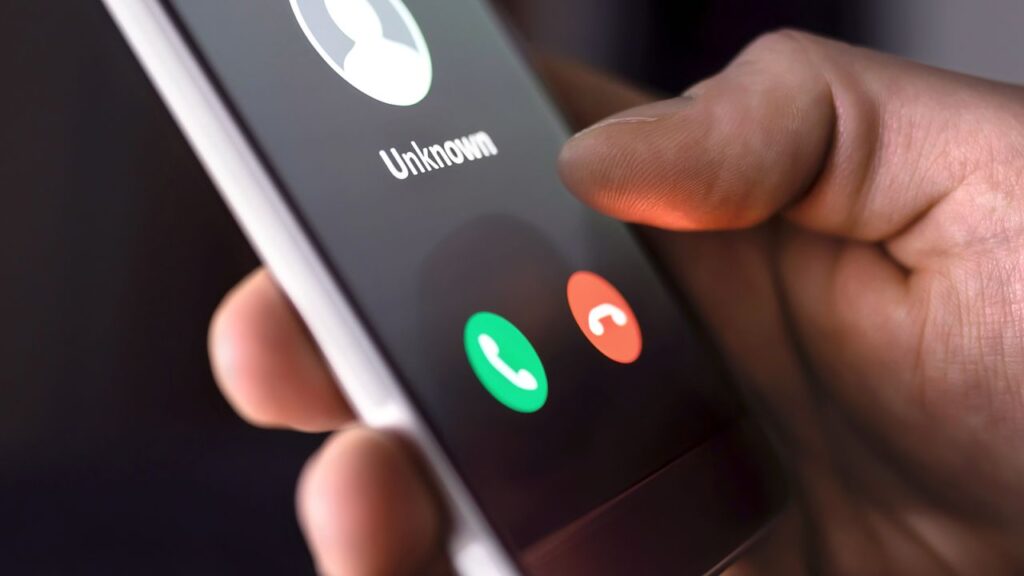
Your phone rings—no caller ID, just a random number outside your area code. You answer, and soon, an urgent, generic message starts playing. In a moment of panic, you follow the instructions and press a number. Moments later, an “operator” picks up. Does this sound familiar?
In 2022, over 33 million robocalls were made daily across North America, up to over 50 billion calls annually. According to the NCLC, these scams cost victims more than $29 billion.
While many recommend registering your number on the Do Not Call list, this strategy can backfire, leaving you vulnerable and a prime target for scammers. In this article, I’ll share practical tips to protect yourself from these scams and answer the common questions people have to help keep you safe.
Who can help stop these robocalls?
In both the United States and Canada, unwanted calls—particularly illegal and spoofed robocalls—rank as the top consumer complaints to the FCC and CRTC. To tackle this issue, both agencies have prioritized enforcing consumer protection laws. They have strict policies in place and impose hefty fines on violators. Additionally, they cut off carriers that allow robocalls to be routed through their systems.
For example, you might notice “Likely Spam” displayed as the caller ID in Canada. This is due to a recent CRTC regulation requiring all phone carriers to implement fraud and spam detection features, alerting customers when a call may be suspicious.
I am still getting random calls. What can I do not get scammed?
The simplest way to protect yourself is to not answer calls from numbers that aren’t saved in your phone. Instead, configure your voicemail to take all calls and allow the caller to leave a message. This screening process greatly reduces your chances of falling for a scam.
When reviewing voicemails, listen carefully to the message. There are noticeable differences between legitimate calls and fraudulent ones.
- Pre-recorded messages: If the voicemail is automated, there’s a high chance it’s a scam. Only a few companies, like DHL or other shipping companies, use message automation. For most others, automated messages should be considered spam.
- Personalized messages: Legitimate callers will address you by name and provide specific information, such as the company they represent, a return phone number, and possibly your account or order number. Use this information to verify their legitimacy by looking up the company and matching the contact details. Google can be a powerful tool for this.
I picked the call up because of habit; now what?
First, don’t panic. Do not share any personal information. Instead, ask the caller two key questions:
- Who are you calling for?
- What is this call about?
If they can answer, listen carefully—remember, no phone call is genuinely urgent. If they start asking you questions, keep these points in mind, They should:
- Already know who you are and have essential details.
- Never request personal information.
- Not ask for access to your accounts or computer.
- Never ask for passwords or one-time passwords (OTPs).
- Not request credit card information.
If they press you for any of this, hang up. In 99% of cases, they won’t call back and will move on to the next target.
Expecting an Important Call? Here’s What to Do
As previously mentioned, make sure the caller’s number is saved in your contacts. If the number is unfamiliar, follow the call screening procedure to stay safe.
For Apple iPhone users, you can screen calls as they go to voicemail. With iOS 17 or later, Live Voicemail lets you listen to the message in real time and pick up the call if needed. This feature is enabled by default.
Summary
In a world where phone scams grow more sophisticated and relentless, staying informed and vigilant is your strongest defense. Since fraudsters profit from these schemes, spam calls will persist. However, you can significantly reduce your risk by understanding how these scams work and taking proactive measures—such as call screening, safeguarding your personal information, and using tools like Live Voicemail. Trust your instincts and hang up if something feels off. Staying educated and cautious will help you stay one step ahead, ensuring your personal information remains secure.